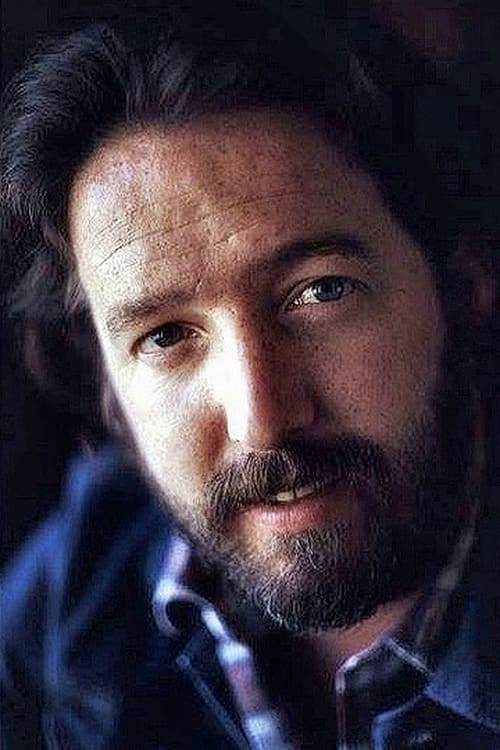
Paul Butterfield
Biography
Paul Vaughn Butterfield (December 17, 1942 – May 4, 1987) was an American blues harmonica player, singer, and bandleader. After early training as a classical flautist, he developed an interest in blues harmonica. He explored the blues scene in his native Chicago, where he met Muddy Waters and other blues greats, who provided encouragement and opportunities for him to join in jam sessions. He soon began performing with fellow blues enthusiasts Nick Gravenites and Elvin Bishop. In 1963, he formed the Paul Butterfield Blues Band, which recorded several successful albums and was popular on the late-1960s concert and festival circuit, with performances at the Fillmore West in San Francisco, the Fillmore East in New York City, the Monterey Pop Festival, and Woodstock. The band was known for combining electric Chicago blues with a rock urgency. and for their pioneering jazz fusion performances and recordings. The band was also among the first racially integrated blues groups.[1] After the breakup of the group in 1971, Butterfield continued to tour and record with the band Paul Butterfield's Better Days, with his mentor Muddy Waters, and with members of the roots-rock group the Band. While still recording and performing, Butterfield died in 1987 at age 44 of an accidental drug overdose. Music critics have acknowledged his development of an original approach that places him among the best-known blues harp players. In 2006, he was inducted into the Blues Hall of Fame. Butterfield and the early members of the Paul Butterfield Blues Band were inducted into the Rock and Roll Hall of Fame in 2015. Both panels noted his harmonica skills and his contributions to bringing blues music to a younger and broader audience. Description above from the Wikipedia article Paul Butterfield, licensed under CC-BY-SA, full list of contributors on Wikipedia.
Known For & Full Filmography8 Titles
Drama Series - 1975, 16 episodes • as Self (uncredited)
A late-night live television sketch comedy and variety show created by Lorne Michaels. The show's comedy sketches, which parody contemporary culture and politics, are performed by a large and varying cast of repertory and newer cast members. Each episode is hosted by a celebrity guest, who usually delivers an opening monologue and performs in sketches with the cast, and features performances by a musical guest.

Drama Series - 1972, 16 episodes • as Self
The Midnight Special is an American late-night musical variety series that aired on NBC during the 1970s and early 1980s, created and produced by Burt Sugarman. It premiered as a special on August 19, 1972, then began its run as a regular series on February 2, 1973; its last episode was on May 1, 1981. The ninety-minute program followed the Friday night edition of The Tonight Show Starring Johnny Carson. The show typically featured guest hosts, except for a period from July 1975 through March 1976 when singer Helen Reddy served as the regular host. Wolfman Jack served as the announcer and frequent guest host. The series also occasionally aired vintage footage of older acts. As the program neared the end of its run in the early 1980s, it began to frequently use lip-synched performances rather than live. The program also featured occasional comedic performances such as Richard Pryor and Andy Kaufman.

Movie - 1978, 2h 15m • as Self
Martin Scorsese's documentary intertwines footage from The Band's incredible farewell tour with probing backstage interviews and featured performances by Eric Clapton, Bob Dylan, Joni Mitchell, Van Morrison, and other rock legends.

Movie - 2002, 2h 15m • as The Paul Butterfield Blues Band
Additional musical performances from the 1967 Monterey Pop Festival in California, shot for the film Monterey Pop (1968) and released on the Criterion Blu-ray The Complete Monterey Pop Festival.

Movie - 2013, 2h 15m • as Self (archive footage)
"Born In Chicago" is a soulful documentary film that chronicles a uniquely musical passing of the torch. It’s the story of first generation blues performers who had made their way to Chicago from the Mississippi Delta and their ardent and unexpected followers – young white, middle class kids who followed this evocative music to smoky clubs deep in Chicago’s ghettos. There, against all odds, they were encouraged by the greats who had became their musical mentors and learned the art of the blues at the feet the masters, going on to make the music their own.

Movie - 1968, 2h 15m • as Self
An unreleased concert film, shot at the Generation Club on 8th St. in NYC on April 7, 1968. Big Brother & The Holding Co. "Summertime" Joni Mitchell "Sisotowbell Lane" Buddy Guy "Stormy Monday" Jimi Hendrix with Hugh McCracken B.B. King with Paul Butterfield and Elvin Bishop Richie Havens "All Along The Watchtower/Sing This All Together"

Movie - 2003, 2h 15m • as Self
Director Marc Levin travels to Chicago with hip-hop legend Chuck D (from Public Enemy) and Marshall Chess (son of Leonard Chess and heir to the legacy of Chess Records) to explore the heyday of the Chicago blues and how they come together to produce an album that seeks to bring veteran blues players along with contemporary hip hop musicians. Along with never before seen footage from Howlin 'Wolf, Muddy Waters and Paul Butterfield Blues Band, they are original performances by Koko Taylor, Otis Rush, Magic Slim, Ike Turner and Sam Lay.

Movie - 1968, 2h 15m • as Self
A montage of the weird, a freak-out film that appeared when the expression was in fashion and in flower, along with the flower people. The film was one of the first exponents of the mobile camera-rock track-optical effect school of filmmaking, and it is much a document as it is a documentary. A repellent and fascinating depiction of the Sunset Strip in Hollywood, along with Haight-Ashbury in San Francisco and the East Village in New York. Tiny Tim amounts to something resembling a recurring motif and narrator.