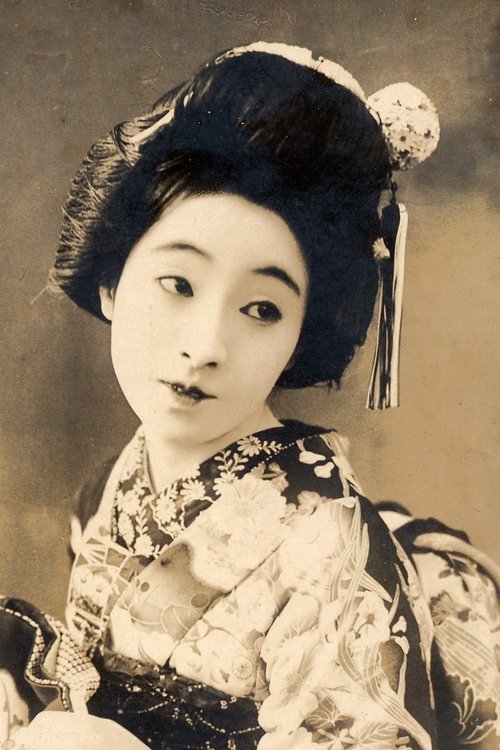
Sakiko Yanagi
Biography
Sakiko Yanagi (November 3, 1902 – March 20, 1963) was the stage name of Japanese actress Kuroyanagi Chiyoko. In the 1920s, she played the heroine of many Shochiku films. She played a pure-hearted heroine in many period dramas and contemporary dramas with beautiful and clear eyes, and she attracted many fans. Orphaned at five years old, Kuroyanagi was taken in by her aunt and uncle. Although they had very little, they instructed her in the arts from a young age. At the age of ten, Kuroyanagi joined a local theater troupe to provide a source of income for her adoptive family. Years later, seeking a livelihood, she appeared as an extra in movies. In 1922, she joined Shochiku Studios as an actress. She became especially famous for her roles in period dramas. After the war, ill health prevented Kuroyanagi from returning to film, and she was economically distressed. In 1956, she was admitted to a philanthropic hospital, severely ill. A local Kyoto film director learned of her plight and formed a "relief caretaker's association," which paid for Kuroyanagi to live out her later years in a supportive nursing home. She passed away in 1963 from a pulmonary edema. She was buried next to Ryuzo Takei, an actor from the silent era and her close friend.
Known For & Full Filmography4 Titles

Movie - 1922, 2h 15m • Main Cast Role
An outstanding performance featuring brilliant storytelling, high stakes drama, and unforgettable character arcs.

Movie - 1932, 2h 15m • as Toda no Tsubone
This 1932 adaptation is the earliest sound version of the ever-popular and much-filmed Chushingura story of the loyal 47 retainers who avenged their feudal lord after he was obliged to commit hara-kiri due to the machinations of a villainous courtier. As the first sound version of the classic narrative, the film was something of an event, and employed a stellar cast, who give a roster of memorable performances. Director Teinosuke Kinugasa was primarily a specialist in jidai-geki (period films), such as the internationally celebrated Gate of Hell (Jigokumon, 1953), and although he is now most famous as the maker of the avant-garde silent films A Page of Madness (Kurutta ichipeji, 1926) and Crossroads (Jujiro, 1928), Chushingura is in fact more typical of his output than those experimental works. The film ranked third in that year’s Kinema Junpo critics’ poll, and Joseph Anderson and Donald Richie noted that 'not only the sound but the quick cutting was admired by many critics.

Movie - 1937, 2h 15m • Main Cast Role
short film about Banchō Sarayashiki.

Movie - 1939, 2h 15m • as Hostess at Momidi
The ambiguous relationship between a woman musician and her young student.