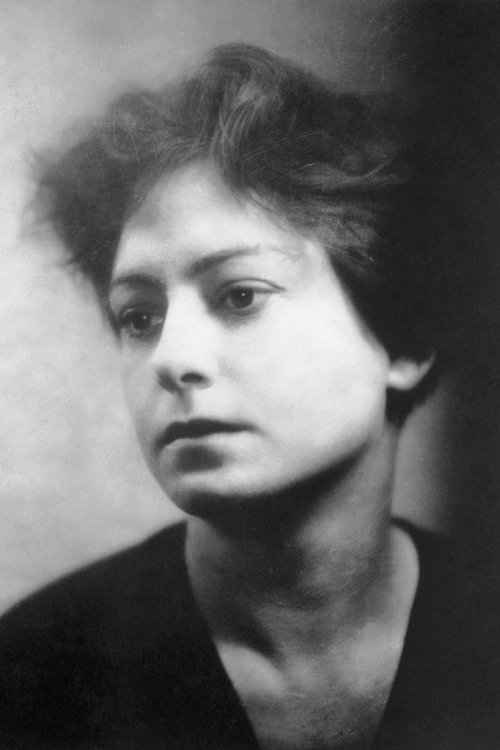
Dorothy Parker
Biography
Dorothy Parker (née Rothschild; August 22, 1893 – June 7, 1967) was an American poet, writer, critic, and satirist based in New York; she was known for her wit, wisecracks, and eye for 20th-century urban foibles. From a conflicted and unhappy childhood, Parker rose to acclaim, both for her literary works published in magazines, such as The New Yorker, and as a founding member of the Algonquin Round Table. Following the breakup of the circle, Parker traveled to Hollywood to pursue screenwriting. Her successes there, including two Academy Award nominations, were curtailed when her involvement in left-wing politics resulted in her being placed on the Hollywood blacklist. Dismissive of her own talents, she deplored her reputation as a "wisecracker." Nevertheless, both her literary output and reputation for sharp wit have endured. Some of her works have been set to music; adaptations included the operatic song cycle Hate Songs by composer Marcus Paus. Description above from the Wikipedia article Dorothy Parker, licensed under CC-BY-SA, full list of contributors on Wikipedia.
Known For & Full Filmography3 Titles

Movie - 1942, 2h 15m • as Woman in Car (uncredited)
Aircraft factory worker Barry Kane flees across the United States after he is wrongly accused of starting the fire that killed his best friend.

Movie - 2011, 2h 15m • as Self (archive footage)
Martin Scorsese’s portrait of writer and social commentator Fran Lebowitz, celebrated for her sharp wit and observations on modern life. Filmed at New York’s Waverly Inn and intercut with archival footage and interviews, the documentary captures Lebowitz’s distinctive worldview through her spontaneous monologues and public appearances.

Movie - 1987, 2h 15m • as Herself (archive footage)
The story of the legendary wits who lunched daily at the Algonquin Hotel in New York City during the 1920s. The core of the so-called Round Table group included short story and poetry writer Dorothy Parker; comic actor and writer Robert Benchley; The New Yorker founder Harold Ross; columnist and social reformer Heywood Broun; critic Alexander Woollcott; and playwrights George S. Kaufman, Marc Connelly, Edna Ferber and Robert Sherwood.