Annie-Joe Edwards
Known For & Full Filmography5 Titles

Movie - 1989, 2h 15m • as Citizen
Three tales of love, ambition, and neurosis unfold in the city that never sleeps. In "Life Lessons" (Martin Scorsese), a tormented painter channels heartbreak into his art. In "Life Without Zoë" (Francis Ford Coppola), a precocious 12-year-old navigates privilege and loneliness in a Manhattan hotel. And in "Oedipus Wrecks" (Woody Allen), a man’s domineering mother literally becomes a looming presence over New York.
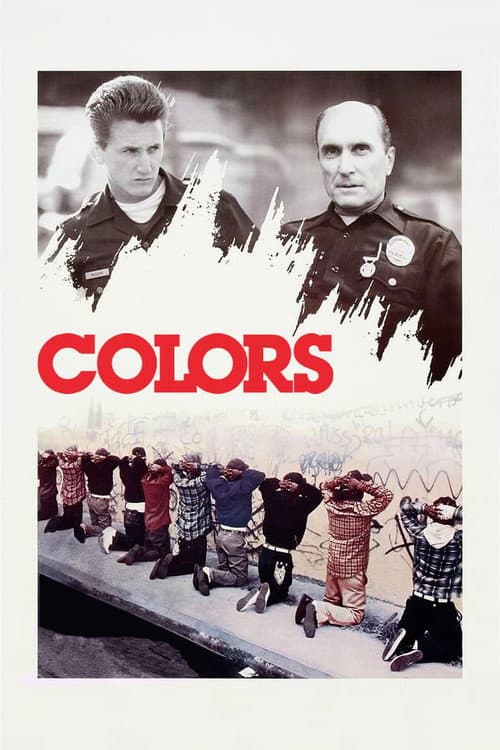
Movie - 1988, 2h 15m • as Shouting Woman
A confident young cop is shown the ropes by a veteran partner in the dangerous gang-controlled barrios of Los Angeles, where the gang culture is enforced by the colors the members wear.

Movie - 1994, 2h 15m • as Venus
After young playwright, David Shayne obtains funding for his play from gangster Nick Valenti, Nick's girlfriend Olive miraculously lands the role of a psychiatrist—but not only is she a bimbo who could never pass for a psychiatrist—she's a dreadful actress. David puts up with the leading man who is a compulsive eater, the grand dame who wants her part jazzed up, and Olive's interfering hitman/bodyguard—but, eventually he must decide whether art or life is more important.

Movie - 1985, 2h 15m • as Delilah
Cecilia is a waitress in New Jersey, living a dreary life during the Great Depression. Her only escape from her mundane reality is the movie theatre. After losing her job, Cecilia goes to see 'The Purple Rose of Cairo' in hopes of raising her spirits, where she watches dashing archaeologist Tom Baxter time and again.

Movie - 1999, 2h 15m • as New Tenant
Tells the story of Sadie and Bessie Delany, two African-American (they preferred "colored") sisters who both lived past the age of 100. They grew up on a North Carolina college campus, the daughters of the first African-American Episcopal bishop, who was born a slave, and a woman with an inter-racial background. With the support of each other and their family, they survived encounters with racism and sexism in their own different ways. Sadie quietly and sweetly broke barriers to become the first African-American home-ec teacher in New York City, while Bessie, with her own brand of outspokenness, became the second African-American dentist in New York City. At the ages of 103 and 101, they told their story to Amy Hill Hearth, a white New York Times reporter who published an article about them. The overwhelming response launched a bestselling book, a Broadway play, and this film.