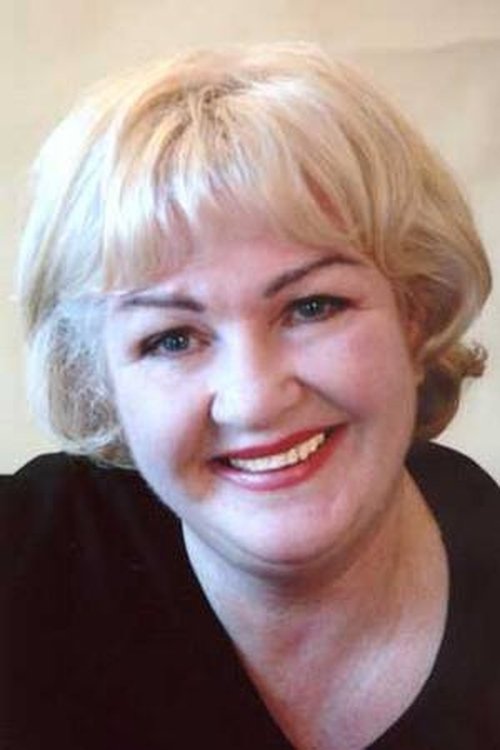
Ewa Oksza-Łapicka
Known For & Full Filmography6 Titles

Drama Series - 2005, 16 episodes • as Dr. Dolińska's Receptionist
An outstanding performance featuring brilliant storytelling, high stakes drama, and unforgettable character arcs.

Movie - 2016, 2h 15m • as Woman
In 1945, as Stalin sets his hands over Poland, famous painter Wladislaw Strzeminski refuses to compromise on his art with the doctrines of social realism. Persecuted, expelled from his chair at the University, he's eventually erased from the museums' walls. With the help of some of his students, he starts fighting against the Party and becomes the symbol of an artistic resistance against intellectual tyranny.

Drama Series - 2000, 16 episodes • as Romana Kupiczek "Gwadelupa", nauczycielka geografii
An outstanding performance featuring brilliant storytelling, high stakes drama, and unforgettable character arcs.

Movie - 2002, 2h 15m • as Kwiaciarka pod szpitalem
Television film from the "Polish Holidays" series was made according to his own script by Ryszard Bugajski, creator of the famous "Interrogation". A tragicomic tale of life, transience and destiny that one cannot escape. The story of three generations - grandfather, father and son are together again, but all three realize that it is not for long. A serious illness does not give up. However, this meeting arranged by the junior on the occasion of Father's Day will teach them a lot, will allow them to learn other values, overcome their barriers, understand the meaning of life, throw out deeply hidden regrets and grievances, strengthen family ties, resolve disputes, clear up past misunderstandings and disputes.

Movie - 2007, 2h 15m • as Sklepowa
A portrait of cabinet intrigues, the false aspirations of the party elite and the grinding reality of the 1960s, or "our little stability." Robert Meller and Janusz Dymek's documentary drama concerns the famous 1964 meat scandal, in which three death sentences were demanded and one was adjudicated and executed. The victim was Stanislaw Wawrzecki. Ostensibly, it was about fraud and bribes in the meat industry. In fact, it was about covering up the government's economic ineptitude, shortages of supplies and directing the people's anger at a few defendants.

Movie - 1986, 2h 15m • Main Cast Role
Girls no more, four heroines emerge into womanhood with a more clear-eyed outlook on life.