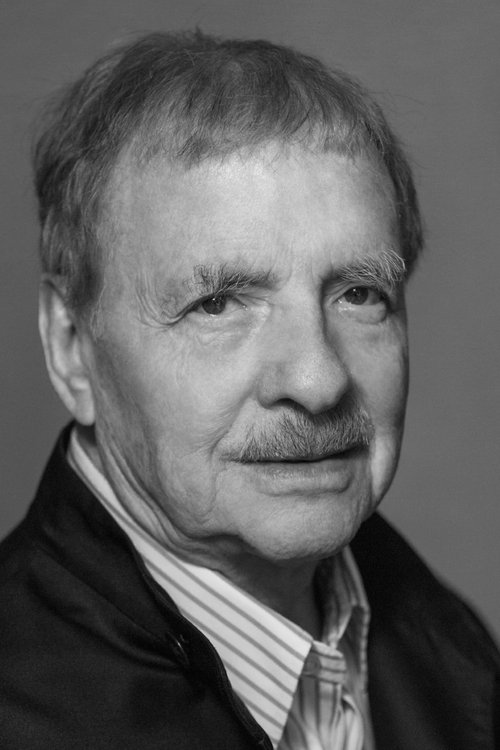
Claude Fournier
Biography
Claude Fournier (July 23, 1931 – March 16, 2023) was a Canadian film director, screenwriter, editor and cinematographer. He is one of the forerunners of the Cinema of Quebec. He was the twin brother of Guy Fournier.
Known For & Full Filmography5 Titles

Drama Series - 1985, 16 episodes • Main Cast Role
Strip-Tease was created by Jean Libon and Marco Lamensch. The aim of the creators was to produce documentary films of a new genre, in which the commentators take a back seat to let the protagonists have their say. The program mainly deals with excerpts from everyday life (family meals, washing up, the life of a farmer's wife). Viewers can thus recognize themselves in their daily intimacy.

Movie - 2011, 2h 15m • as self
A two-part in-depth exploration of the evolution of the private film industry, seen through the eyes of more than 50 industry professionals. Part One (1939-1979) : Artists and professionals from the social and commercial film sectors recount the struggle to build a film industry that is privately operated yet publicly funded. Part Two (1980-2010) : Executives, policymakers, and industry professionals trace the origins of the major funding institutions and discuss the unintended consequences of building a cultural industry around performance metrics, revenue generation, and private profit.

Movie - 2009, 2h 15m • as Claude Fournier
An outstanding performance featuring brilliant storytelling, high stakes drama, and unforgettable character arcs.

Movie - 2006, 2h 15m • as Self
Thanks to the development of techniques and the adventurous spirit of pioneering filmmakers, among whom Michel Brault occupies a central place, a new way of making cinema was born at the turn of the 1950s and 1960s. This film relevantly retraces the history of a collective movement which revolutionized production and filming methods in Quebec and the world.

Movie - 1989, 2h 15m • as Self
Features clips from 21 documentary and animation film classics, interviews with NFB filmmakers past and present, and incisive commentary from film critics and historians on the role and influence of the NFB during its first half century of existence.