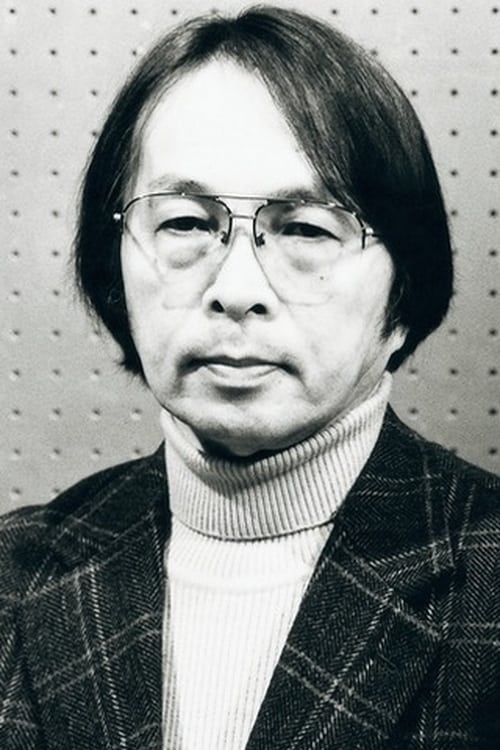
Toshio Matsumoto
Biography
Toshio Matsumoto (松本 俊夫, Matsumoto Toshio; March 25, 1932 – April 12, 2017) was a Japanese film director, a pioneer of avant-garde experimental films, multimedia, and video in his homeland and abroad. Born in Nagoya, Aichi, Japan and a graduate from Tokyo University in 1955, his first short was Ginrin, which he made in 1955, however his most famous work is 1969's wildly experimental Funeral Parade of Roses (also known as Bara no soretsu). A retelling of Oedipus Rex, a trans person (portrayed by Pîta) tries to move up in the world of the Japanese hostess clubs. Funeral Parade of Roses heavily influenced Stanley Kubrick's A Clockwork Orange (1971). Matsumoto published many books of photography and art and was a professor and dean of Arts at the Kyoto University of Art and Design. He was also the President of the Japan Society of Image Arts and Sciences.
Known For & Full Filmography4 Titles

Movie - 2002, 2h 15m • as Himself
A documentary on sixties counterculture in Japan featuring Donald Richie, Tadanori Yokoo, Masao Adachi, Koji Wakamatsu, Toshio Matsumoto and Akaji Maro among others.

Movie - 1987, 2h 15m • Main Cast Role
Engram is a three-part piece revolving around a few good old ideas such as photos inside of photos, movies inside of movies, photos inside of movies, movies inside of photos, and (even) a film director inside a TV set.

Movie - 2013, 2h 15m • Main Cast Role
Video began as a medium that inspired discovery. This art documentary traces the expressive roots of “media art” in Japan — works of video, performances, and installations created using video technology that allowed for free and creative visual expression.

Movie - 2017, 2h 15m • Main Cast Role
A five-part documentary chronicling Toshio Matsumoto, the legendary filmmaker known as a pioneer of experimental cinema in Japan and also active as a film theorist, who exerted a profound influence on innovative film expression from the 1950s onward. Directed by filmmaker and critic Takefumi Tsutsui—himself both a filmmaker and critic like Matsumoto—the project was filmed over the course of ten years. Interweaving excerpts from Matsumoto’s works with an extensive series of interviews with collaborators and critics, the documentary retraces, through the figure of Matsumoto, the tumultuous decades from the 1950s to the 2000s across five parts, totaling 700 minutes.