
Kanan Devi
Biography
Kanan Devi was a popular singer and actress and the earliest female star of Bengali cinema
Known For & Full Filmography14 Titles
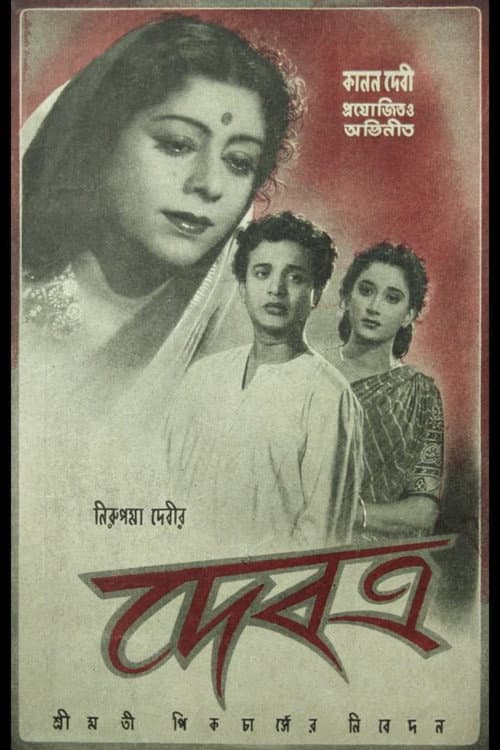
Movie - 1955, 2h 15m • as Arundhati
A 1955 Bengali Drama Film directed by Haridas Bhattacharya.

Movie - 1938, 2h 15m • Main Cast Role
Two street urchins dream of singing and making it big in the glamorous world of theatre in Calcutta.

Movie - 1945, 2h 15m • as Gulabi
Haria, an elephant driver, loves gypsy girl Gulabi, but faces rivalry from Ajay, the tea estate owner's son. After Ajay kills Haria's elephant, Raja, Haria seeks revenge, intertwining with a family secret and inheritance dispute.
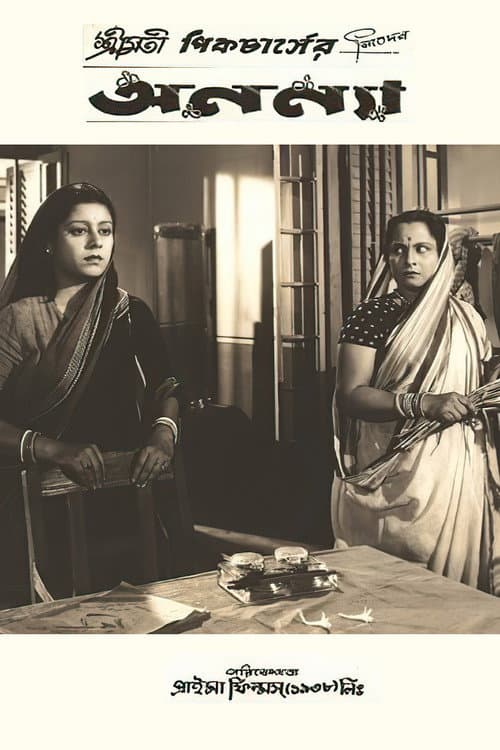
Movie - 1949, 2h 15m • as Sita
A Bengali Drama Film directed by Sabyasachi (Ajoy Kar & Binoy Chattopadhyay).

Movie - 1942, 2h 15m • as Meena Devi
The wealthy, self-obsessed, and possibly crazed Manoj (Barua) is sent by his concerned family to the rural estate of his future father-in-law. Along the way, however, he gets lost and soon finds himself taking shelter in the abode of the railroad stationmaster whose beautiful, down-to-earth daughter, Meena (Kenan Devi), Manoj finds irresistible. When his haughty, progressive-minded fiancée gets wind of this, she freaks out and soon there is a showdown between the two women. In the aftermath, Manoj finds reason to go with his heart and marry Meena.

Movie - 1933, 2h 15m • as Bishnupriya
Sree Gouranga is a 1933 Indian Bengali biographical film that chronicles the life of the revered spiritual leader, Sri Chaitanya Mahaprabhu, also known as Gauranga. The film delves into the early life of Mahaprabhu, born Nimai in Mayapur in 1486, highlighting his mischievous childhood and subsequent intellectual brilliance. Despite family pressure to marry, Mahaprabhu prioritizes his spiritual journey and eventually leaves his home to become an ascetic. The film portrays his deep devotion to Lord Krishna and his eventual return to visit his mother, where he instructs his wife to worship the same deity. The film is a historical and devotional portrayal of the saint's life.

Movie - 1942, 2h 15m • as Meena
Manoj is from the aristocratic class but has some sort retrograde amnesia; he belongs to the upper-class but is also an outsider, something that enables the possibilities of movement across the class-lines for him. This trope is essential for Barua to articulate the criticism of the indolent upper class in the film. Thus Manoj is both an object of criticism and ridicule while also being one of the critics.

Movie - 1937, 2h 15m • as Chitra
This classic adultery story tells of an artist, Prasanta (Barua) presented in the stereotypically romantic image: dedicated to his vocation, paying no heed to his scandalous reputation (he paints nude models) and with a cavalier attitude to his conservative father-in-law's (Choudhury) demands for a good social behavior.

Movie - 1935, 2h 15m • Main Cast Role
A 1935 Bengali Film directed by Jyotish Bandyopadhyay.

Movie - 1935, 2h 15m • as Niharika
A comedy adapted from a successful play. The zamindar Damodar Chakraborty (Chakraborty) starts a school named after his wife and recruits a married couple as teachers. Manas (Ganguly in the role which had made him a stage star) and Niharika (Kanan Devi) pretend to be married in order to get the jobs. Their imposture, together with the fact that he is Hindu while she is Christian, produces complications.

Movie - 1950, 2h 15m • as Hemangini
An outstanding performance featuring brilliant storytelling, high stakes drama, and unforgettable character arcs.

Movie - 1939, 2h 15m • as Chandan
Adapted from a story by Kazi Nazrul Islam this film concerns love and revenge among a tribe of snake charmers led by Jahar (Nawab) who is searching for his 100th poisonous snake so as to show how he can magically cure its deadly bite.

Movie - 1941, 2h 15m • as Kusum
Harish who's a poet who falls in love with Kusum, a singer he mentors. But Kusum sees him only as a guru and ends up marrying a wealthy admirer. Years later, misunderstandings resurface, leading to a bittersweet realization that love and respect don’t always mean the same thing.

Movie - 1940, 2h 15m • as Kamala
Set in the early 20th C. Calcutta Theatres industry. Kamala (Kanan Devi) is the star of the Ruby Theatre owned by her guardian Maheshbabu. Narendra (Sanyal) is the equally popular star in the rival Bina Theatre, which he abandons to join the Ruby repertoire when he falls in love with Kamala. In a lyrical sequence in the countryside, they marry in a poor peasant setting. Narendra then shows his true colours and forbids Kamala to continue her acting career. She returns to the stage anyway while Narendra stays among the peasants. He later returns to the Bina Theatre and its success is intercut with the bankruptcy of the Ruby Theatre.