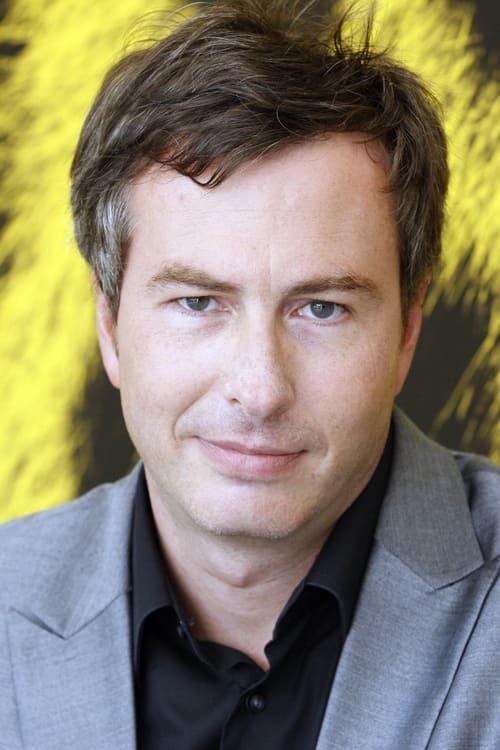
Olivier Père
Biography
Born in 1971 in Marseilles, a French national, Olivier Père graduated with a degree in Humanities from the University of Sorbonne (Paris IV). He joined the French Cinémathèque in 1995, and soon became in charge of the programme, organizing numerous retrospectives and thematic seasons. Alongside his work there, in 1996 he began a long-standing collaboration with the Belfort "Entrevues" Film Festival, for whom he organized retrospectives. Since 1997 he has been writing for the cultural publication "Les Inrockuptibles" on film, television, and DVD. Between 2004 and 2009, Olivier Père headed the Directors' Fortnight, independent section at the Cannes Film Festival, organized by SRF (Société des Réalisateurs de films). From September 1, 2009 until 2012 Olivier Père was the artistic director of the Festival del film Locarno. In 2012, he became Managing Director of Arte France Cinéma, a subsidiary of Arte France. Description above from the Wikipedia article Olivier Père, licensed under CC-BY-SA, full list of contributors on Wikipedia.
Known For & Full Filmography10 Titles

Drama Series - 2004, 16 episodes • as Self
An outstanding performance featuring brilliant storytelling, high stakes drama, and unforgettable character arcs.

Movie - 2013, 2h 15m • as Self
One of the most controversial, original and loved figures of Italian cinema. The most censored director of all time. An anarchist of the film, a gifted experimenter, an inventor of dreams. A truly great artist.

Movie - 2021, 2h 15m • as Self - Host
With his new film "France" now in theaters, we look back at Bruno Dumont's early films "La vie de Jésus," "Flandres," "L'humanité," "Hadewijch," and "Twentynine Palms," all available online. What does it mean to film the sacred? What are his influences? Why is the question of evil central to his cinema?

Movie - 2021, 2h 15m • as Self
Xavier Beauvois' documentary-style filming techniques, her collaboration with François Truffaut, Xavier Dolan's masterful tone... Nathalie Baye looks back on her roles in "Le petit lieutenant," "La chambre verte," and "Juste la fin du monde" as they are broadcast on ARTE. A conversation hosted by Olivier Père (Managing Director of ARTE France Cinéma).

Movie - 2024, 2h 15m • as Self - Host
51 films to date, a unique body of work whose common thread is the search for love: this is the cinema of Claude Lelouch. As a Jewish child hunted during the war, the filmmaker offers his very personal vision of betrayal, scoundrels, good people, travel, parent-child relationships, and the ghosts of his deceased friends whom he will always love.

Movie - 2025, 2h 15m • Main Cast Role
Filmmaker Lucile Hadzilalilovic, winner of the Silver Bear at the 2025 Berlinale for “The Tower of Ice”, delves into her world of hauntingly beautiful tales. From “Innocence” to her latest film, she crafts stories rich in mystery, where powerful women and enigmatic youth evoke the legacy of Argento-style genre cinema.
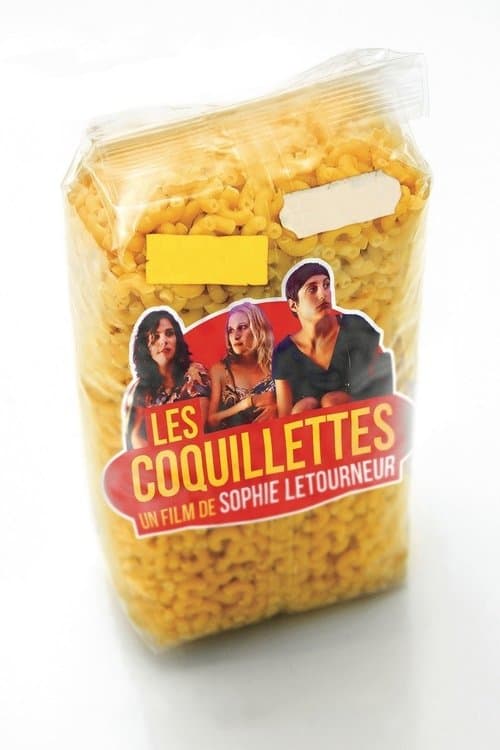
Movie - 2013, 2h 15m • as Film Festival Director
Three female friends recall their misadventures (more sexual than cinematical) attending the Locarno Film Festival.

Movie - 2024, 2h 15m • as Himself - host
In a handful of powerful films, actress-turned-filmmaker Nicole Garcia has created a highly romantic world. Both men and women reveal themselves in stories of betrayal, buried secrets, money, and all-consuming emotions. Fortunately, Garcia's fictional universe is as murky as danger and as captivating as the quest for love.

Movie - 2024, 2h 15m • as Himself - host
For several decades, filmmaker Catherine Corsini has been filming different worlds, yet all of them are permeated by the same desire for her characters to truly come into their own. With a vitality that is ready for anything, including cheating before finally giving up, the heroes of Corsini's films take every risk, and Corsini understands them.

Movie - 2009, 2h 15m • as Self
A documentary about the New Romanian Cinema. "Cinemaguerilla" brings together over 30 interviews with directors, producers, actors, film historians and critics about what unites and what separates the New Wave of Romanian films.