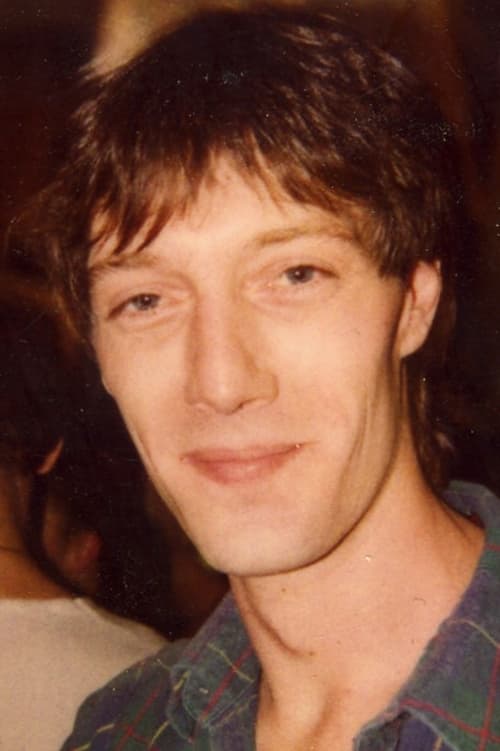
Mike Vraney
Biography
Something Weird Video was founded in 1990 by Mike Vraney in Seattle. He was inspired by his teenage job as a theater projectionist. His love for the obscure films that never made it to video prompted him to transfer hundreds of ancient reels of film to VHS videotape and DVD. On the company website, Vraney explains the label's genesis: In my mind, the last great genre to be scavenged were the exploitation / sexploitation films of the 1920s through the 1970s. After looking into this further, I realized that there were nearly 2,000 movies out there yet to be discovered. So with this for inspiration, my quest began and wouldn't you know, just out of the blue I fell into a large collection of 16 mm girlie arcade loops (which became the first compilation videos we put together). Around the same time I received an unexpected phone call that suddenly made all this real: my future and hands-down the king of sexploitation Dave Friedman was on the other end of the line. This would be the beginning of a long and fruitful friendship for both of us. Dave's films became the building blocks for our film collection and he has taught and guided me through the wonderful world of sexploitation, introducing me to his colleagues (Dan Sonney, Harry Novak, H. G. Lewis, Bob Cresse and all the other colorful characters who were involved during his heyday) and they've been eager to dive into the business again. On January 2, 2014, Vraney died after a lengthy battle with lung cancer.[4] The company continues under the leadership of Vraney's widow, Lisa Petrucci.
Known For & Full Filmography5 Titles

Movie - 2001, 2h 15m • as Self
VH1 and SPIN magazine teamed up to present 'VH1 News Special: Grunge', an in-depth look at the Seattle-born movement that transformed popular music and the major players who made it happen.

Movie - 1998, 2h 15m • as Self
The Story of X takes you to the earliest days of adult films when men peddled stag reels and projectors out of the trunks of their cars, then through the movie house years to the arrival of the home video business, and now the Internet. Meet the men behind the camera, such as "King of Sexploitation" Dave Friedman and the preeminent breast man Russ Meyer. Considered pariahs at the time, they're now hailed as pioneers in the fight against censorship. The Story of X visits the 60s when women's rights, not nudity, became the issue and recounts porn's arrival in Hollywood, led by director Bernardo Bertolucci's Last Tango in Paris. In the 70s, several groundbreaking films, including Behind the Green Door featuring Marilyn Chambers and Deep Throat featuring Linda Lovelace, took the genre to a new level.

Movie - 2001, 2h 15m • as Himself
A documentary about the history of exploitation films that focuses on the careers of legendary producers David F. Friedman and Dan Sonney.

Movie - 2013, 2h 15m • as Self (archive footage)
Before the advent of modern-day pornography, a vast and rapidly-paced world of smut peddling was the norm, complete with its own secret history. This documentary reveals the untold story of American cinema's gloriously sordid cinematic past. Starting in the 1920s, expert exploiteer David F. Friedman and Henenlotter navigate us through more than five salacious decades of skin flicks. It's the true story of dirty movies, traced in elegant detail from the bizarre locations where these nudie shorts were screened to the ongoing legal battles fought by their promoters. And of course there are the stories of the innovators themselves, people who often risked their own security and livelihood to make these films, believing in some way that what they were doing wasn't a 'bad' thing - and that it could rake in some dough.

Movie - 2003, 2h 15m • as Self
This film covers the early history of post World War II educational films, especially those involving traffic safety by the Highway Safety Foundation under direction of Richard Wayman. In the name of promoting safe driving in teenagers, these films became notorious for their gory depiction of accidents to shock their audiences to make their point. The film also covers the role of safety films of this era, their effect on North American teenage culture, the struggle between idealism and lurid exploitation and how they reflected the larger society concerns of the time that adults projected onto their youth.