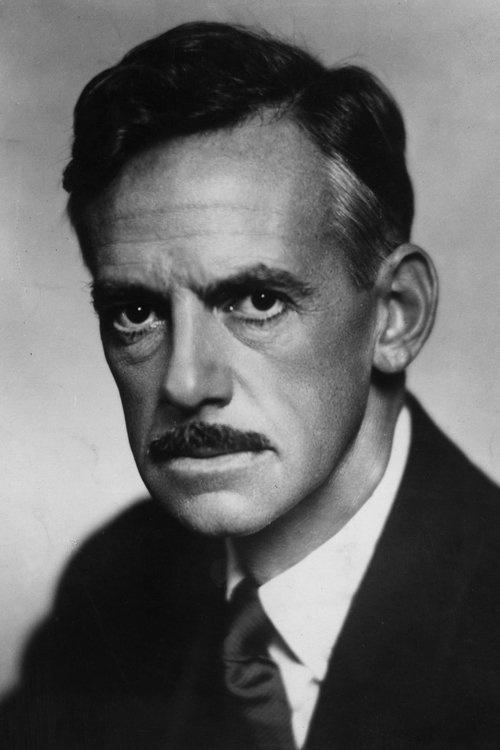
Eugene O'Neill
Biography
Eugene Gladstone O'Neill (October 16, 1888 – November 27, 1953) was an American playwright and Nobel laureate in literature. His poetically titled plays were among the first to introduce into U.S. drama techniques of realism earlier associated with Russian playwright Anton Chekhov, Norwegian playwright Henrik Ibsen, and Swedish playwright August Strindberg. The tragedy Long Day's Journey into Night is often numbered on the short list of the finest U.S. plays in the 20th century, alongside Tennessee Williams's A Streetcar Named Desire and Arthur Miller's Death of a Salesman. O'Neill's plays were among the first to include speeches in American English vernacular and involve characters on the fringes of society. They struggle to maintain their hopes and aspirations, but ultimately slide into disillusionment and despair. Of his very few comedies, only one is well-known (Ah, Wilderness!). Nearly all of his other plays involve some degree of tragedy and personal pessimism. Description above from the Wikipedia article Eugene O'Neill, licensed under CC-BY-SA, full list of contributors on Wikipedia.
Known For & Full Filmography3 Titles

Movie - 2011, 2h 15m • as Self (archive footage)
Martin Scorsese’s portrait of writer and social commentator Fran Lebowitz, celebrated for her sharp wit and observations on modern life. Filmed at New York’s Waverly Inn and intercut with archival footage and interviews, the documentary captures Lebowitz’s distinctive worldview through her spontaneous monologues and public appearances.

Movie - 1966, 2h 15m • as Self (archive footage)
The Face of a Genius is a 1966 American documentary film about Eugene O’Neill, produced by Alfred R. Kelman for WBZ-TV Boston. It was nominated for an Academy Award for Best Documentary Feature, the first time that a film originally produced for television was recognized by the Academy as a nominee for Best Documentary Feature.

Movie - 2024, 2h 15m • as Himself
The new and restored documentary introduces visitors to the early life and works of O’Neill, his troubled family relationships, and the role the cottage played in his dramas. The original film won a Grand Prize “AMI” Award for Best Documentary at the Association of Multi-Image International Festival in 1982.