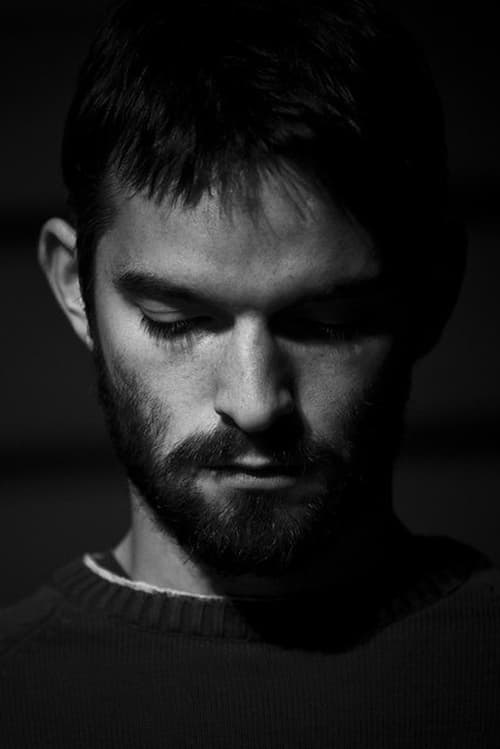
Kjartan Sveinsson
Biography
Kjartan "Kjarri" Sveinsson is a keyboardist of the Icelandic post-rock band Sigur Rós. He joined the band in 1998. Being something of a multi-instrumentalist, he has also played such instruments as the flute, tin whistle, oboe and even the banjo, as well as many of the unorthodox instruments that contribute to Sigur Rós's distinctive sound. He also plays the guitar.
Known For & Full Filmography6 Titles

Movie - 2011, 2h 15m • as Self - Member of Sigur Rós
Inni is a live motion picture and album by Icelandic band Sigur Rós released in 2011.The concert footage was directed by Vincent Morisset and filmed at the Alexandra Palace in 2008. It was released on 7 November 2011 on various formats, including vinyl, DVD, Blu-ray and CD. Theatrical versions are also being shown around the world from late 2011. The songs played within are Ný batterí, Svefn-g-englar, Fljótavík, Inní mér syngur vitleysingur, Sæglópur, Festival, E-Bow, Popplagið and Lúppulagið. The bonus material contains All Allright, Glósóli, Hafsól and Við spilum endalaust.

Movie - 2007, 2h 15m • as Self
Ethereal post-rock pioneers Sigur Rós play a string of impromptu gigs in their native Iceland after finishing a world tour in 2006. As they travel through the country, the band visits a wide variety of venues, from a large outdoor festival to a coffee shop.

Movie - 2009, 2h 15m • Main Cast Role
Gobbledigook is the first track on Sigur Rós' album Með suð í eyrum við spilum endalaust. It premiered on Zane Lowe's Radio 1 show in the UK on 27 May 2008.

Movie - 2005, 2h 15m • as Self
A documentary about the bustling Icelandic musical scene. This documentary covers some of Iceland's most talented and well-known musicians.

Movie - 2012, 2h 15m • as Self
A celebration of creativity, community, and friendship, The Visitors (2012) documents a 64-minute durational performance Kjartansson staged with some of his closest friends at the romantically dilapidated Rokeby Farm in upstate New York. Each of the nine channels shows a musician or group of musicians, including some of Iceland’s most renowned as well as members of the family that owns Rokeby Farm, performing in a separate space in the storied house and grounds; each wears headphones to hear the others. As the music begins and repeats, individual players stop, start, and move between rooms. Viewed together, the individual videos present an ensemble performance Kjartansson calls a “feminine nihilistic gospel song.” The piece itself sets lyrics from a poem by artist Ásdís Sif Gunnarsdóttir, Ragnar´s ex-wife, to a musical arrangement by the artist and Icelandic musician Davíð Þór Jónsson; the title comes from a 1981 album from Swedish pop band ABBA, meant to be its last.

Movie - 2017, 2h 15m • Main Cast Role
Icelandic Post-Rock band Sigur Ros performs live at the Walt Disney Concert Hall in Los Angeles with the Los Angeles Philharmonic Orchestra