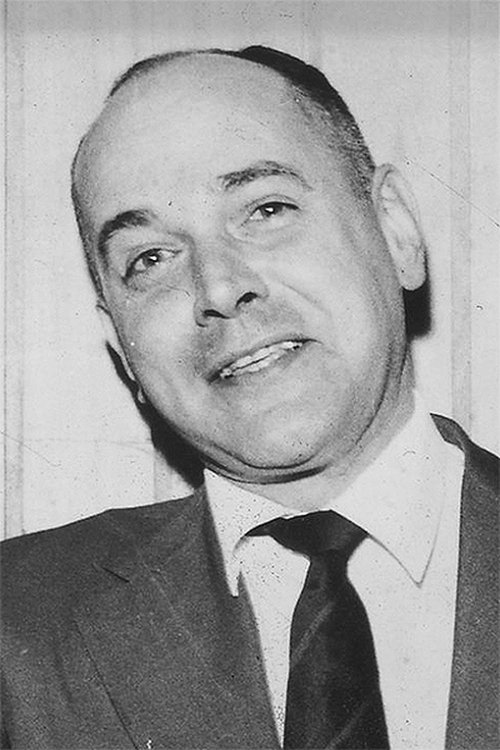
Paulo Emílio Sales Gomes
Biography
Paulo Emílio Sales Gomes (São Paulo, December 17, 1916 — São Paulo, September 9, 1977) was a Brazilian historian, film critic, professor, essayist and political activist. He was a central figure in the founding of the Cinemateca Brasileira, in the creation of the Brasília Festival and of the Audiovisual courses at the University of Brasília and University of São Paulo, where he taught until the end of his life.
Known For & Full Filmography11 Titles

Movie - 1982, 2h 15m • Main Cast Role
São Paulo, late 30's. Alberto is an intellectual and professor who announces to his friend and pupil Polidoro he won a scholarship to study in Paris. In Paris Polidoro receives a letter in which Alberto announces that he married Helena. Polidoro returns to Brazil in 1945, when there was a strong political agitation against the New State. Alberto invites Polidoro to spend a few days at his home in Campos do Jordão. After reaching the site he is told by Helena that Alberto was forced to travel urgently. She insists he should stay there until the return of her husband and, while waiting, she seduces him. Then, after several days of intense passion, she orders Polidoro to go away and never see her again.

Movie - 1974, 2h 15m • Main Cast Role
Nitrato expresses the ambiguities and contradictions of the Cinemateca Brasileira. The film deals with the richness of its collection, the recognition of international entities, and explores what its relationship to the general public was like. Nitrato also portrays the neglect with which the institution is treated, as seen in how precarious its building infrastructure is, how politicians neglected to communicate with the institution’s staff, and the aftermath of another fire in the building.

Movie - 1976, 2h 15m • Main Cast Role
An outstanding performance featuring brilliant storytelling, high stakes drama, and unforgettable character arcs.
Movie - 2020, 2h 15m • as Self (archive footage)
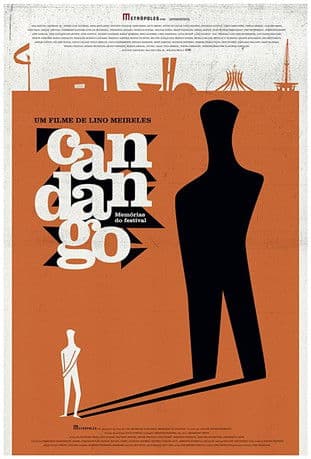
In 1965, a year after the military coup in Brazil, an oasis of freedom opened in the country's capital. The Brasília Film Festival: a landmark of cultural and political resistance. Its story is that of Brazilian cinema itself.

Movie - 1980, 2h 15m • as Ele mesmo (arquivo)
An outstanding performance featuring brilliant storytelling, high stakes drama, and unforgettable character arcs.

Movie - 2017, 2h 15m • as Ele mesmo (arquivo)
An outstanding performance featuring brilliant storytelling, high stakes drama, and unforgettable character arcs.

Movie - 2016, 2h 15m • as Self - Film Critic (archive footage)
A deep investigation, in the way of a poetic essay, on one of the main Latin American movements in cinema, analyzed via the thoughts of its main authors, who invented, in the early 1960s, a new way of making movies in Brazil, with a political attitude, always near to people's problems, that combined art and revolution.

Movie - 2019, 2h 15m • as Self (archive footage)
The clandestine congress of the National Union of Students, held in October 1968, resulted in the collective arrest and registration of 700 students who opposed the dictatorship.

Movie - 1975, 2h 15m • Main Cast Role
An outstanding performance featuring brilliant storytelling, high stakes drama, and unforgettable character arcs.

Movie - 1966, 2h 15m • Main Cast Role
An outstanding performance featuring brilliant storytelling, high stakes drama, and unforgettable character arcs.

Movie - 1972, 2h 15m • as Oswald de Andrade (voice)
Reconstitution, through photos, films and texts, of the arrival in Brazil of the poet Cendrars, in 1924. Tributes received, visits throughout the country and the desire to make a "100 percent Brazilian film". Testimonials from figures who lived with the intensity of the core of modernist artists: Tarcila do Amaral, Oswald de Andrade, Mário de Andrade and Di Cavalcanti. Scenes from São Paulo, Rio de Janeiro, São Martinho Farm and the 1924 Revolution. Scenes from the movie LES HEURES CHAUDES DE MONTPARNASSE. Reference to Aleijadinho and Febrônio Indio do Brasil.