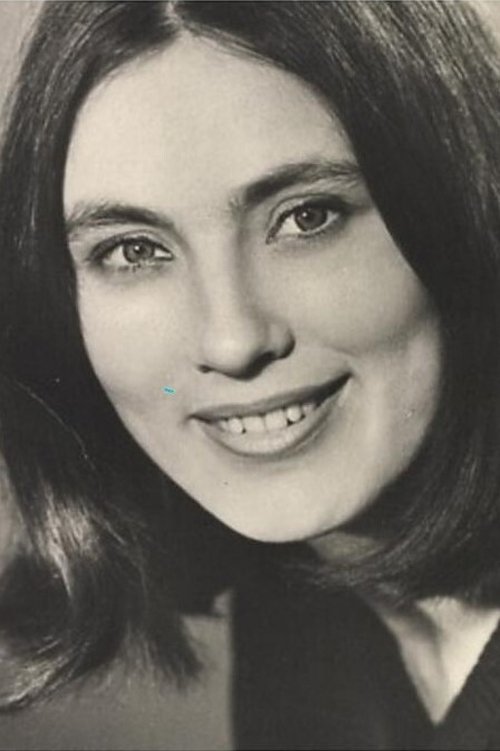
Ausma Kantāne
Known For & Full Filmography9 Titles

Movie - 1961, 2h 15m • Main Cast Role
A film about the intertwined fates of ordinary students and the artists of a youth theatre.

Movie - 1964, 2h 15m • as Sabīne
Valdis Nulle is a young and ambitious captain of fishing ship 'Dzintars'. He has his views on fishing methods but the sea makes its own rules. Kolkhoz authorities are forced to include dubious characters in his crew, for example, former captain Bauze and silent alcoholic Juhans. The young captain lacks experience in working with so many fishermen on board. Unexpectedly, pretty engineer Sabīne is ordered to test a new construction fishing net on Nulle's ship and 'production conflict' between her and the captain arises...

Movie - 1973, 2h 15m • as Laila
An outstanding performance featuring brilliant storytelling, high stakes drama, and unforgettable character arcs.

Movie - 1974, 2h 15m • Main Cast Role
A TV movie. The film features songs by Yu.Vizbor, V.Berkovsky, S.Nikitin.

Movie - 1971, 2h 15m • as Gertrude
The well-known scientist was a spy in Germany during the Great Patriotic War, and he managed to obtain information about a secret German facility.

Movie - 1971, 2h 15m • as Janīna
The film is about the fisherman Styopa, who alone survived the sinking of a fishing vessel.

Movie - 2020, 2h 15m • as Self
A TV documentary about Latvian actor Uldis Pūcītis, featuring fragments from many of his films ("Swap Treader", "Four White Shirts" and others), as well as stories by people who knew him - actors and directors, former lovers and classmates.

Movie - 2023, 2h 15m • as Self
The film, like fragile, sensual, philosophical poetry, evokes the youth of the Poet (Imants Ziedonis) and Auķa (the actress Ausma Kantāne-Ziedone was called Imants), when poetic words in letters and postcards were the lifeline for another person. In his letters, the Poet writes about the cultural figures with whom he travels to distant lands, his observations about places where ordinary people of that time could rarely travel – even to Bulgaria and Poland, as well as Sakhalin. The poet's observations about the people he met in foreign lands, as well as about parties, cafes, and girls, are amusing. In the letters, just like in Imants Ziedonis' poetry, there is their longing for a strong family filled with children, understanding, personality development, as well as contrasts and reflections on their great talents, and how close they are to each other even when they have reached creative heights.

Movie - 1986, 2h 15m • Main Cast Role
A man sees his picture on a 'Most Wanted' board and after going to police he meets someone who looks suspiciously similar to him.