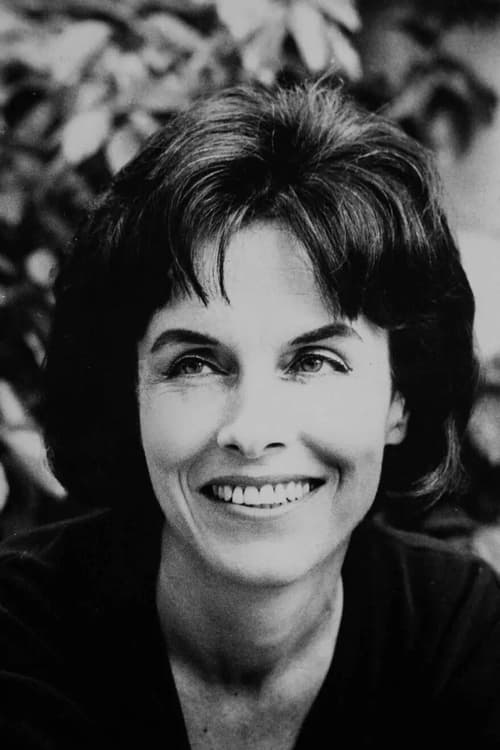
María Luisa Bemberg
Biography
María Luisa Bemberg (April 14, 1922 – May 7, 1995) was an Argentine film writer, director and actress. She was one of the first Argentine female directors with a powerful presence both in the filmmaking and the intellectual world of Latin America, particularly during her most active period, from 1970 to 1990. In her work, she specialized in portraying famous Argentinian women and exploring issues of class and gender. Bemberg rejected being labelled a feminist, stating it was a bourgeois ideology. Her vast legacy extends to the 21st Century, with Bemberg being hailed as arguably Argentina’s foremost female director.
Known For & Full Filmography3 Titles

Movie - 2020, 2h 15m • as Herself (archive footage)
"For her next movie, De eso no se habla, María Luisa Bemberg needs a dwarf". That was an ad on local media during preproduction of the movie that would become the last od the director. Among the peoplewho responded the ad was Alejandra Podestá, who ended up getting the leading role along Marcello Mastroianni. Through testimonies of varios friends, members of the crew and the words by Alejandra herself, who was brutally murdered in 2011, A Beautiful Dream tells us the story of the making of the film and the relationship between Bemberg and Podestá, which winds up being a tribute to both women.

Movie - 1994, 2h 15m • Main Cast Role
An outstanding performance featuring brilliant storytelling, high stakes drama, and unforgettable character arcs.

Movie - 2021, 2h 15m • as Self
María Luisa Bemberg was born into the highest echelons of Argentina’s society. Her family founded Quilmes, the nation’s biggest brewery, which expanded into a multinational. Bemberg, home-schooled by the best teachers and tutors, grew up in a social bubble. And she never made a secret of this, in as far as many of her films are set in the upper classes of different eras and narrate the politics of their respective periods through the prism of female opportunity, or the lack thereof – what could a woman do, behaviour in extramarital affairs included? Class, more often than not, was a trap, even if it might offer opportunities that many are denied. With María Luisa Bemberg: El eco de mi voz, Alejandro Maci paints a detailed and multifaceted picture of Argentina’s greatest female filmmaker, in which family and colleagues get their say as much as Bemberg herself, thanks to myriads of private and public recordings.